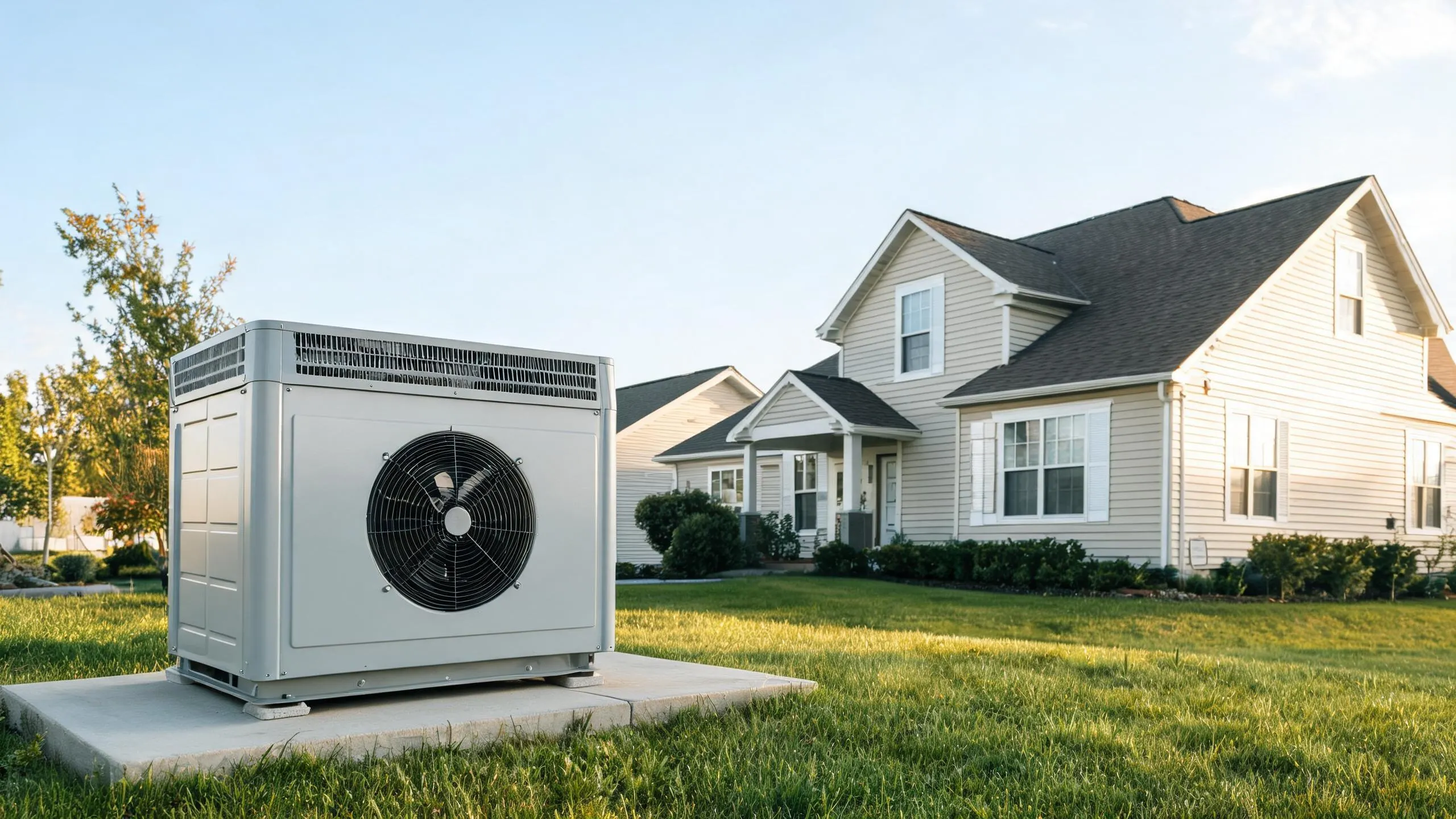
Heat Pump Installation in Phoenix, AZ
A new system here will heat from November through March and cool from April through October every year. Tell us about the house, and a licensed contractor who covers Maricopa County will get in touch.
Tell us about the job
It takes about a minute.
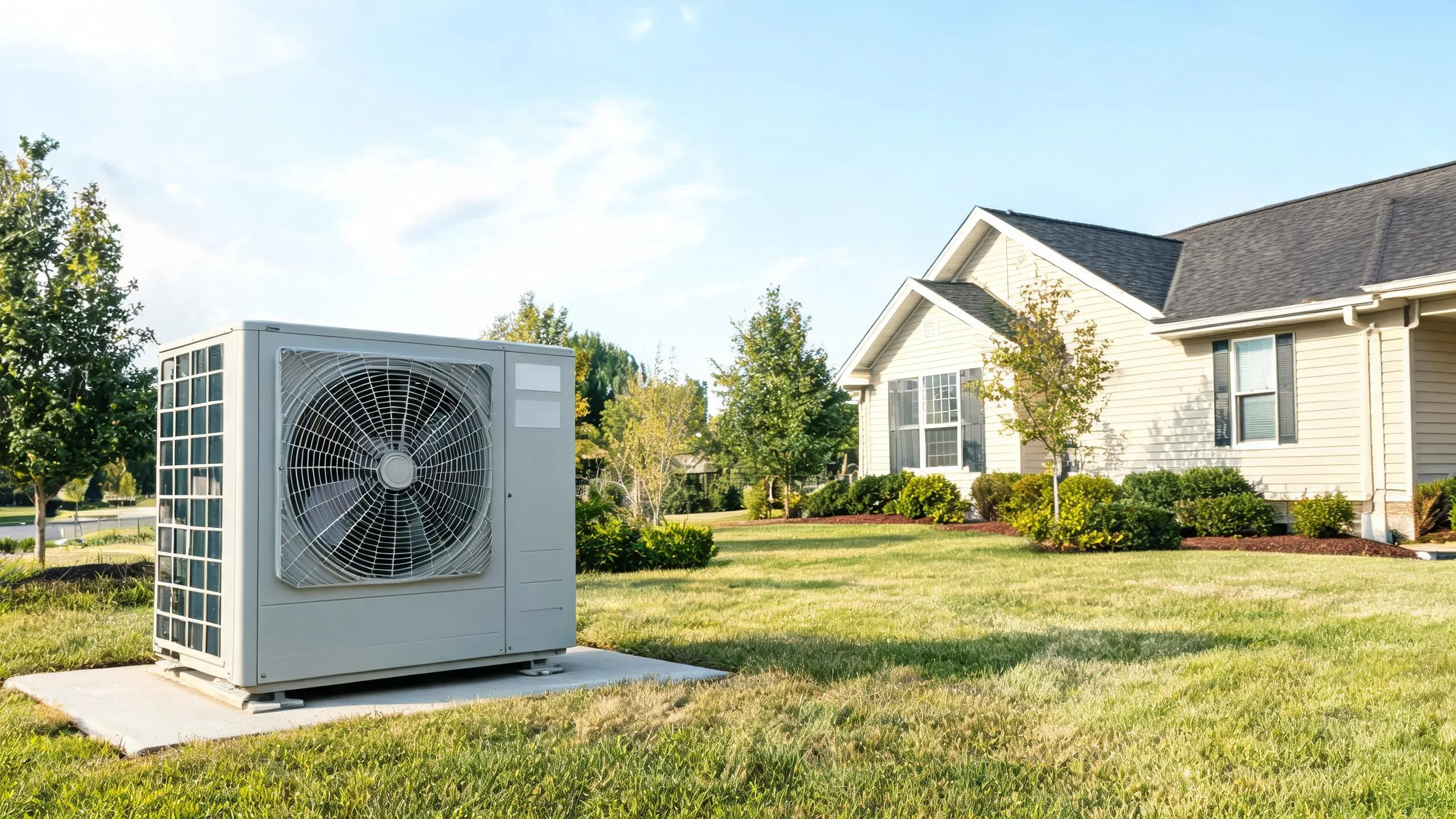
A Phoenix heat pump works almost every month of the year
Your heat pump is not seasonal equipment here. Homes in Maricopa County need cooling from April through October and heat from November through March, so the system runs in some form all 12 months. Summer afternoons averaging 103°F ask a lot of the compressor, and winter nights averaging 41°F still call for heat on the other end.
If you're installing new, any split-system heat pump built since January 2023 has to meet 14.3 SEER2 for cooling and 7.5 HSPF2 for heating, federal minimums either way. Given how much cooling this system will do compared to heating, the SEER2 rating is the one that matters most for what you'll notice day to day.
- 5 months
- November through March, your system heats
- 7 months
- April through October, it cools
- 41°F
- the average winter night it heats against
- 103°F
- the average summer afternoon it cools against
NOAA nClimDiv, 1991–2020 normals
Arizona requires HVAC contractors to hold a state license.
The Registrar of Contractors tests and licenses the contractor, not the job itself. That license stays tied to the business, so the same contractor can install a heat pump for you today and a furnace for someone else next month under that same record.
For this installation, the license tells you the contractor was tested and is on file with the state. The permit is separate. Most cities and counties in Arizona require a permit for a heat pump installation, with an inspection once the work is done, and that inspection is what checks the job itself rather than the contractor's standing.
Sources: Arizona State Legislature · Arizona Registrar of Contractors
- Is a heat pump better than a furnace?
- For Phoenix, a heat pump makes more sense than a gas furnace. Winter nights here average 41°F, and a heat pump handles that easily since it only struggles once temperatures drop much lower than that. It also cools your home in summer, so you get one system instead of a furnace paired with a separate air conditioner. Most homes here already heat with electricity, so a heat pump fits how the house is already set up.
- What's the difference between a heat pump and an air conditioner?
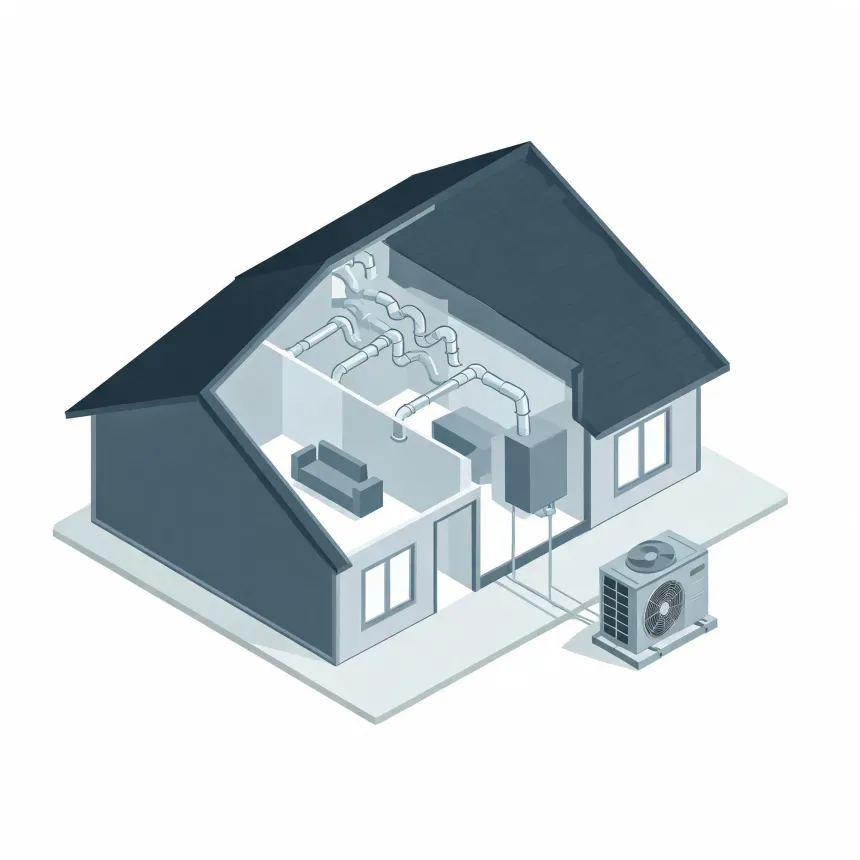
- A heat pump does everything an air conditioner does, plus it can heat your home. Both work the same way in summer, pulling heat out of the house and sending it outside. The heat pump has one more trick. A reversing valve lets it run that cycle backward, pulling heat from the outside air and moving it inside. An air conditioner only ever runs in one direction.
- Does a heat pump work in cold weather?
- Yes, and in Phoenix it works all winter without issue. Heat pumps lose some capacity as the outdoor air gets colder, but winter nights here only average 41°F, well within what a heat pump handles well. Homes in much colder climates sometimes need a backup heat source for the coldest nights. That is not a concern with winters this mild.