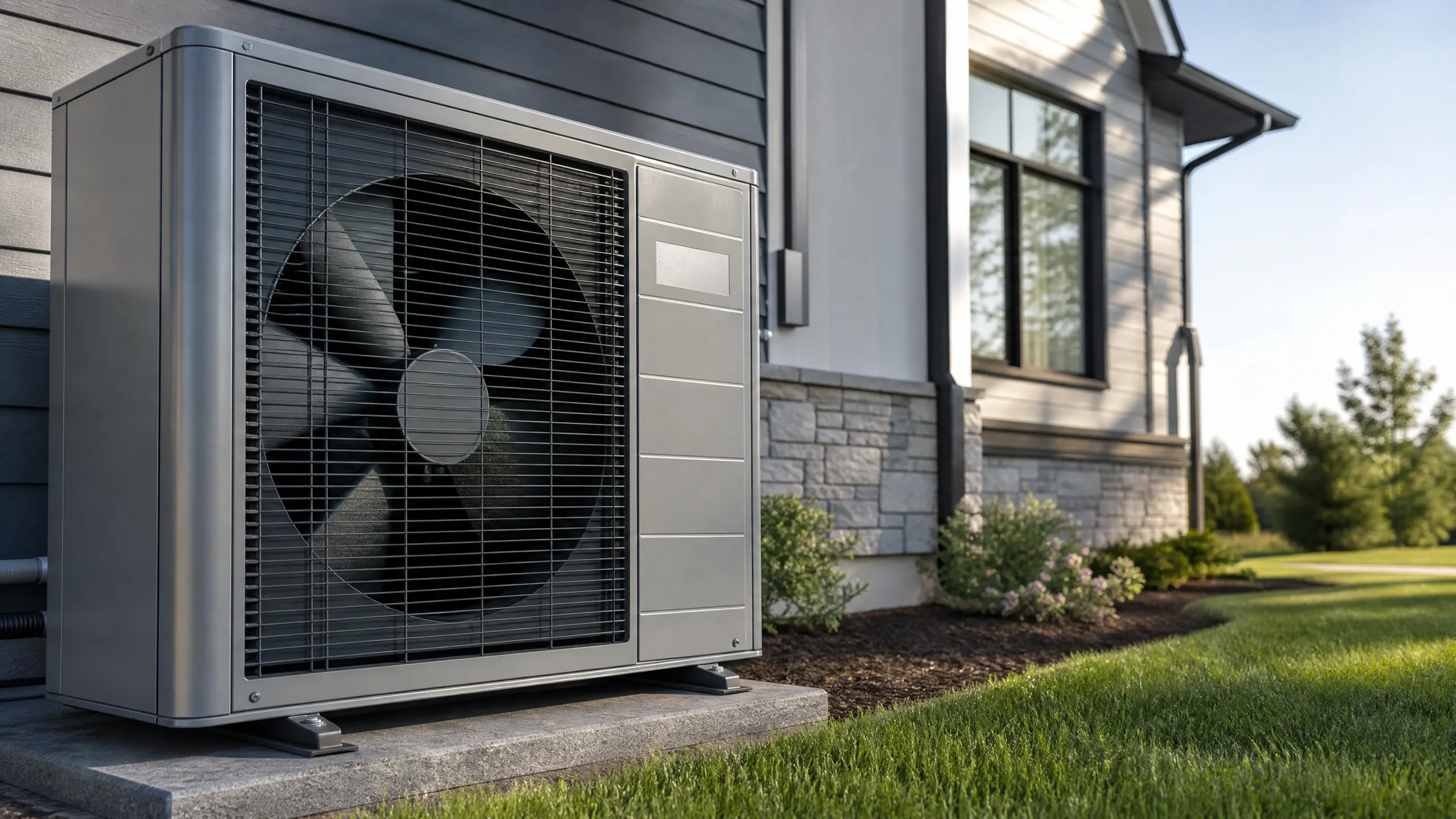
Heat Pump Installation in Yuma, AZ
A new system here will heat from December through February and cool from April through October every year. Tell us about the house, and a licensed contractor who covers Yuma County will get in touch.
Tell us about the job
It takes about a minute.
Ten months of work a year, most of it against the heat
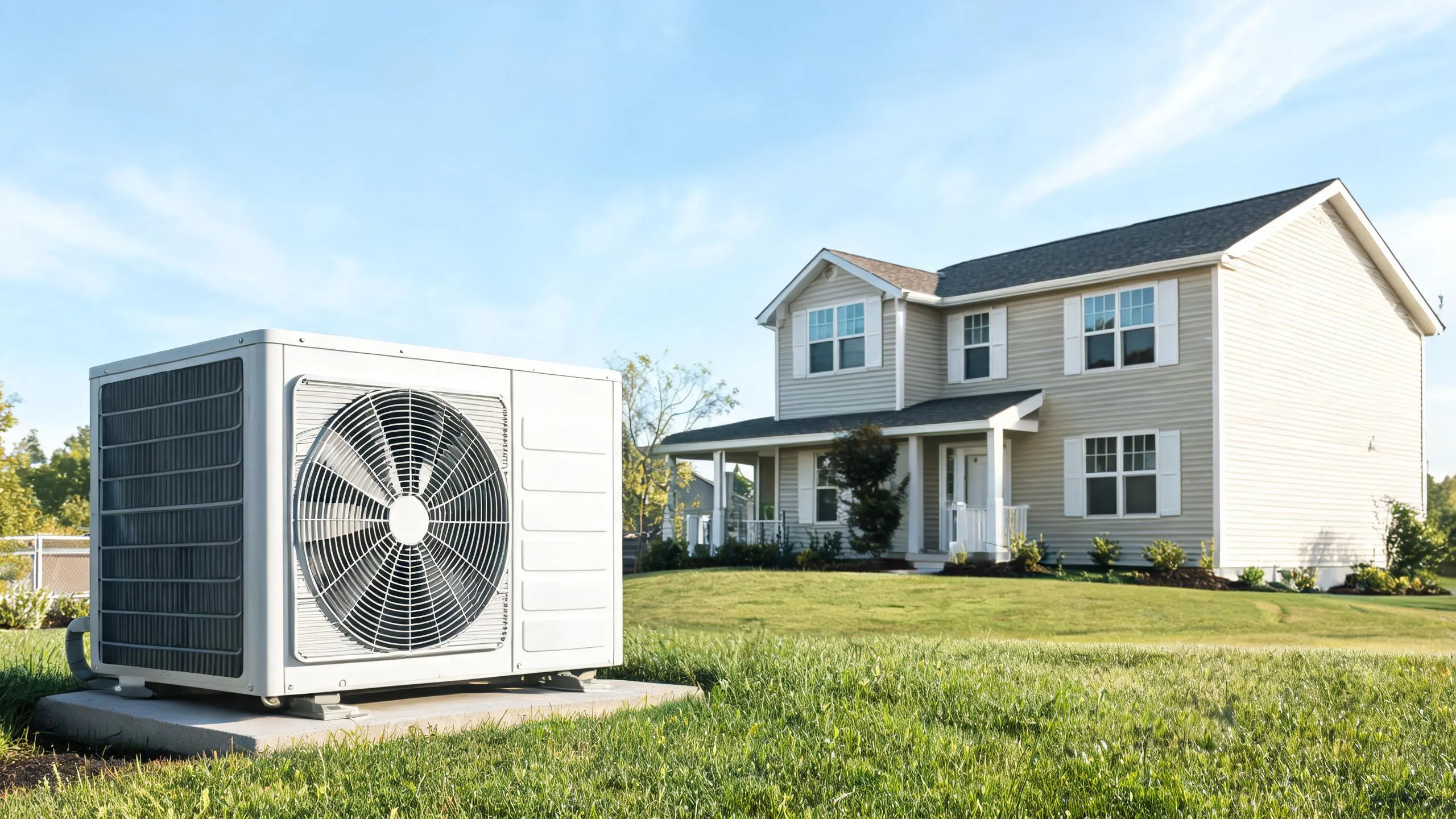
A heat pump here spends April through October pulling heat out of the house against afternoons that average 105°F. Then it flips the other way for December through February, when nights average 43°F. That's ten months a year one system carries the load, with seven of them against triple-digit heat.
Any split-system heat pump made since January 2023 has to meet 14.3 SEER2 for cooling and 7.5 HSPF2 for heating. That cooling number is the one doing the work in Yuma, given how many months the system spends running against the heat.
- 3 months
- December through February, your system heats
- 7 months
- April through October, it cools
- 43°F
- the average winter night it heats against
- 105°F
- the average summer afternoon it cools against
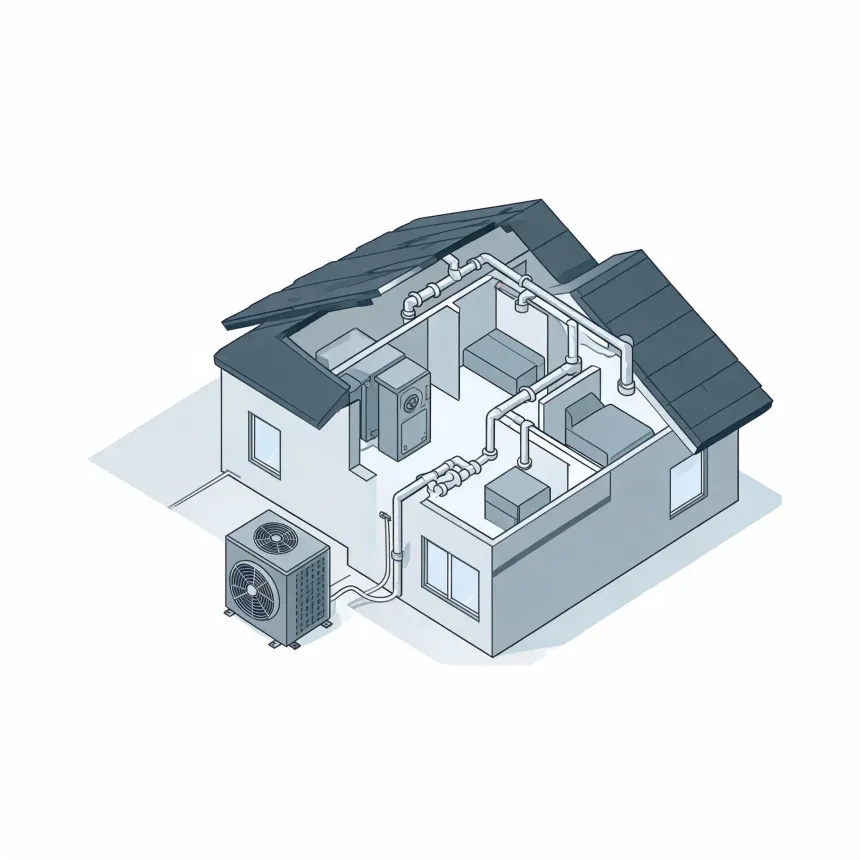
NOAA nClimDiv, 1991–2020 normals
Arizona requires HVAC contractors to hold a state license.
The license is issued to the contractor as a business, after the state has tested them, not to the crew that shows up or the single job they do for you. That means the Registrar of Contractors has a record of who this contractor is before they ever touch your heat pump, and that record stays open after the work is done.
For the install itself, the license is not what catches a bad connection or a unit set up wrong. That comes from the local building office. Setting a heat pump needs a permit in most cities and counties here, and an inspector checks the finished work before it is signed off.
Sources: Arizona State Legislature · Arizona Registrar of Contractors
- Is a heat pump better than a furnace?
- For Yuma, yes. Winters here are short and mild, averaging 43°F on winter nights from December through February, so a heat pump can handle the heating load without much strain. The same unit also cools your home the other seven months, which a furnace can't do. A furnace only makes sense paired with a separate air conditioner, and in a place that needs cooling most of the year, running one system for both jobs is the simpler setup.
- What's the difference between a heat pump and an air conditioner?
- An air conditioner only moves heat out of your home. A heat pump does that same job in summer, then reverses and pulls heat from the outside air into your home in winter. Mechanically they're built the same way, with a compressor and a refrigerant cycle, but the heat pump has a reversing valve that lets it run backward. In Yuma, where you need cooling from April through October and heat from December through February, a heat pump covers both seasons with one system.
- Does a heat pump work in cold weather?
- Yes, and in Yuma this isn't really a concern. Heat pumps lose some efficiency as the outdoor temperature drops, but winter nights here average 43°F, which is well within the range a heat pump handles easily. The colder-climate problems you may have heard about, where a heat pump struggles below freezing, don't apply to winters this mild.