
Mini Split Installation in Lake Havasu City, AZ
A new system here will heat from November through April and cool from May through September every year. Tell us about the house, and a licensed contractor who covers Mohave County will get in touch.
Tell us about the job
It takes about a minute.
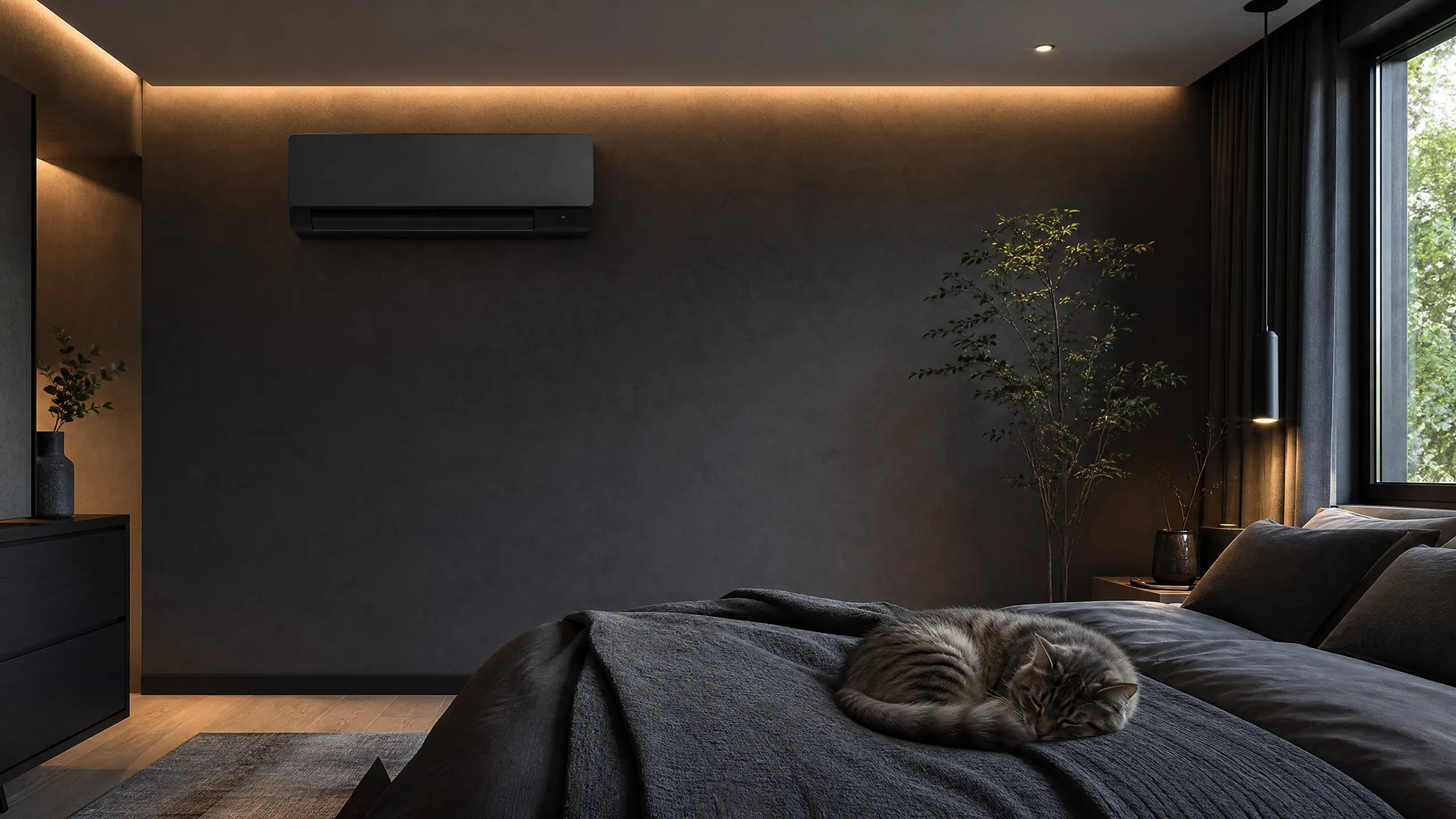
Eleven months of work a year for your mini-split
Lake Havasu City only gives a mini-split one slow month. Summer afternoons average 96°F for five months, May through September, and the system has to hold that back every one of those days. Then winter nights average 35°F from December through February, and the same unit switches to keeping the house warm from November through April. That is eleven months of run time out of twelve.
A new mini-split installed here has to be sized for both jobs, not just the heat. Any unit manufactured now, ductless included, has to meet 14.3 SEER2 for cooling and 7.5 HSPF2 for heating under the federal minimum. With 58% of homes in the area heating with electricity, how well that heating side performs on a 35°F night matters as much as how it handles the summer heat.
- 6 months
- November through April, your system heats
- 5 months
- May through September, it cools
- 35°F
- the average winter night it heats against
- 96°F
- the average summer afternoon it cools against
NOAA nClimDiv, 1991–2020 normals
Arizona requires HVAC contractors to hold a state license.
The Registrar of Contractors tests contractors before they get that license and keeps a record tied to the person or business, not to any single job. So the license on file is the contractor's, and it stays valid across every job they take on, not just this one.
For a mini-split install, that license is what stands behind the work, but most cities and counties in Arizona also require a permit for this kind of job, with an inspection once it's done. That inspection is a separate check on the finished work, done by the local building office rather than the state licensing board.
Sources: Arizona State Legislature · Arizona Registrar of Contractors
- Is a mini split worth it?
- For a lot of homes here, yes. Summer afternoons average 96°F and winter nights drop to 35°F from December through February, so a mini split earns its keep by handling both ends without ductwork. It also gives you heat and cooling in a room an existing system does not reach well, like a garage conversion or an addition. Whether it makes sense for your house depends on what you are heating and cooling now, and a contractor can walk through that with you.
- How many rooms can a mini split cover?
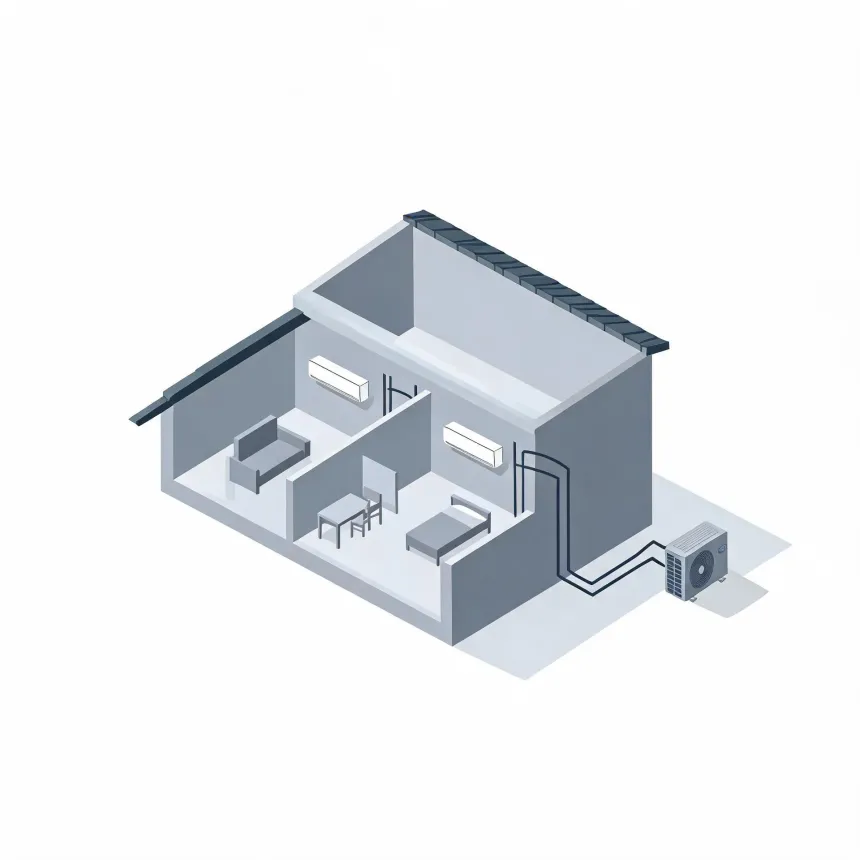
- A single outdoor unit can run one indoor head or several, so a mini split can cover one room or a good part of a house depending on how it's set up. Each indoor head is sized for the room it serves, so a one-room studio needs a different setup than a house with several separate zones. The right number of zones comes down to the layout of your home and how the rooms are used, which is something a contractor sizes room by room.
- Can a mini split heat a whole house?
- It can, if it is sized and placed to cover every room. That usually means a multi-zone system with an indoor head in each area rather than one unit trying to push heat through the whole house. Given that homes here need heat from November through April, the system has to be sized for a 35°F night, not just a mild evening. A contractor can work out how many zones your house needs to actually stay warm all winter.