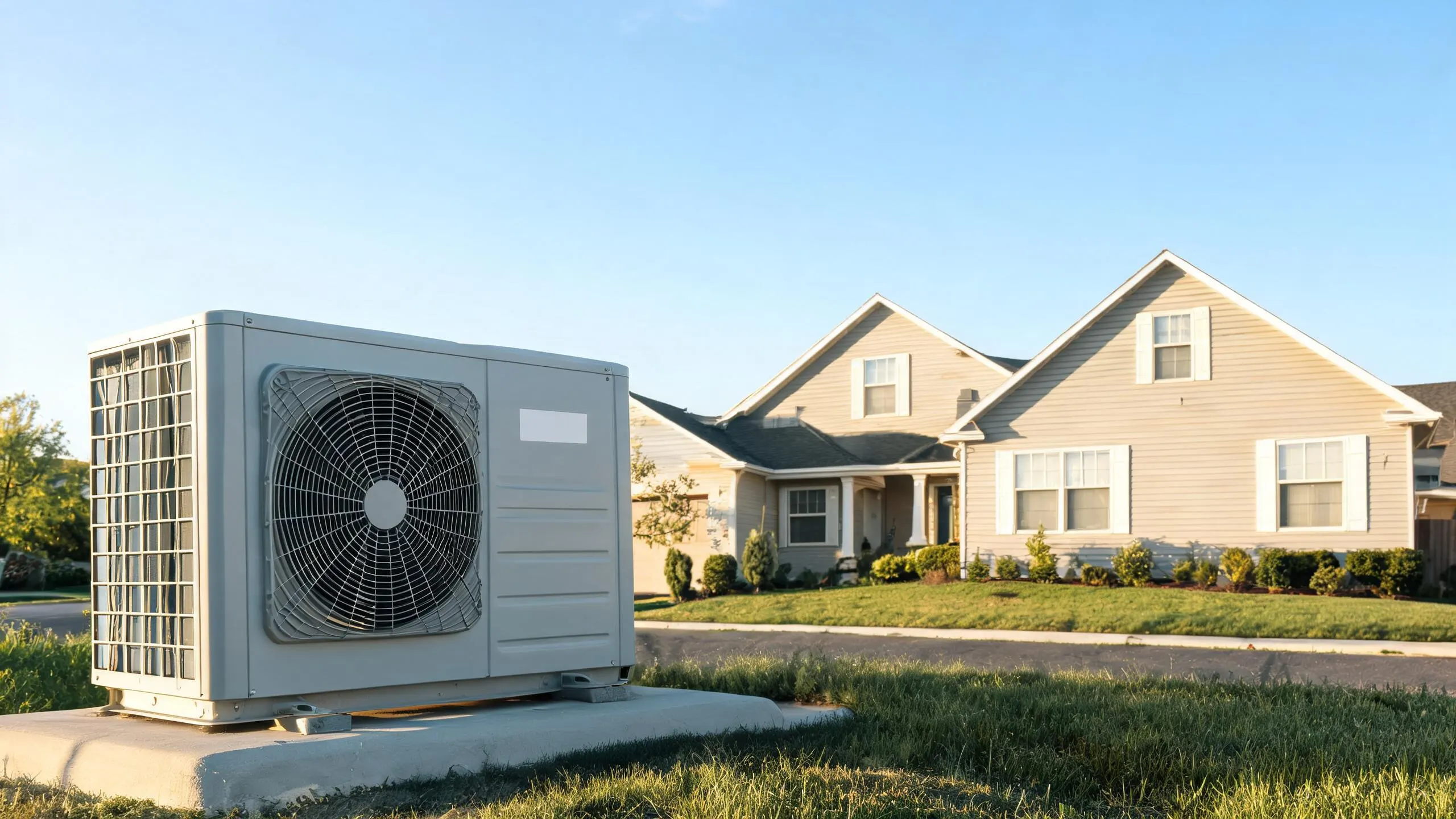
Heat Pump Repair in Lake Havasu City, AZ
Homes here need heat from November through April and cooling from May through September. If your system quits, tell us what it's doing and a licensed contractor who covers Mohave County will get in touch.
Tell us about the job
It takes about a minute.
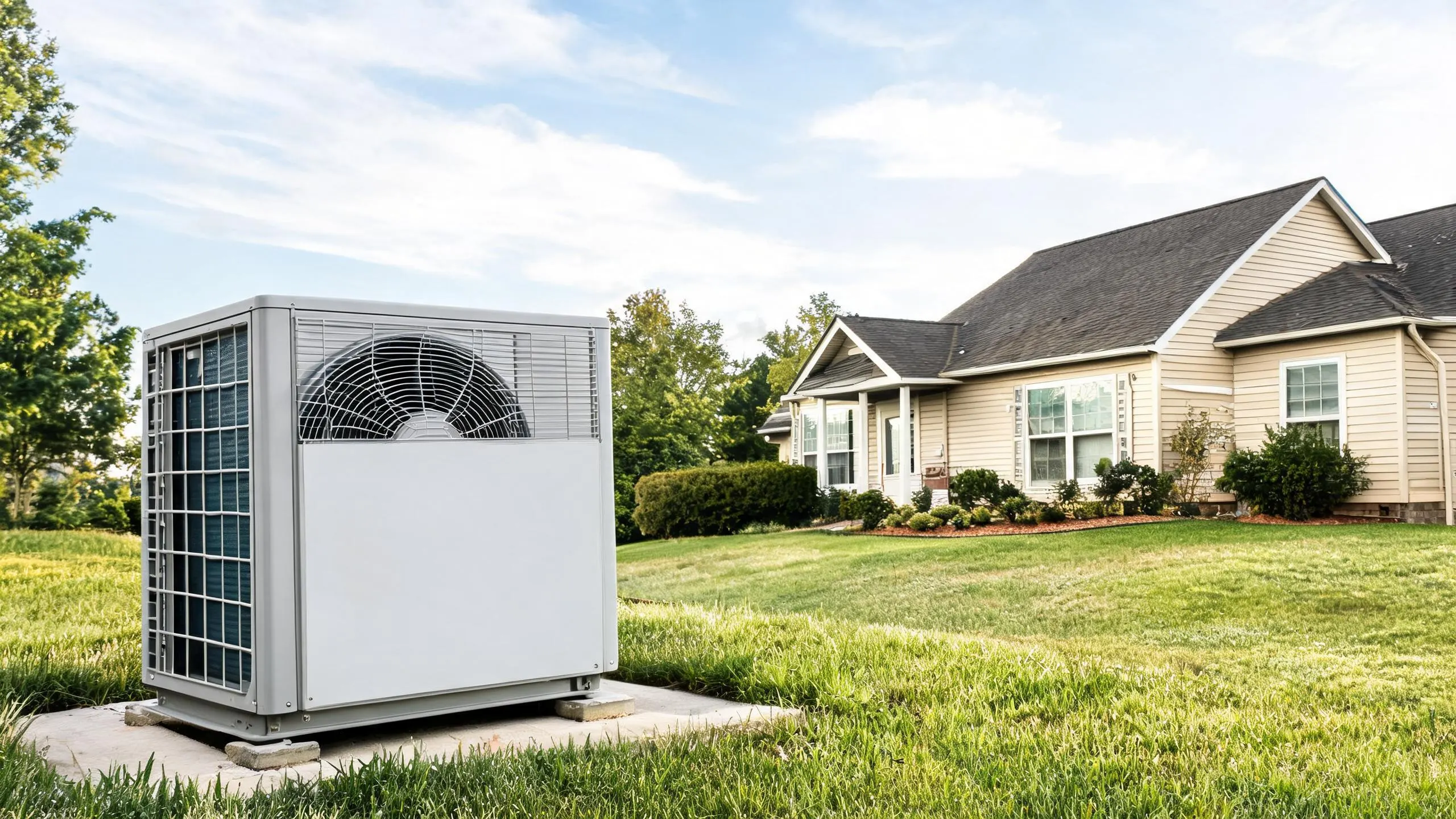
Eleven months of work in Lake Havasu City
Your heat pump runs almost year round here. Heat from November through April, then straight into cooling from May through September, with summer afternoons averaging 96°F. There is barely a month where it gets to sit idle and rest.
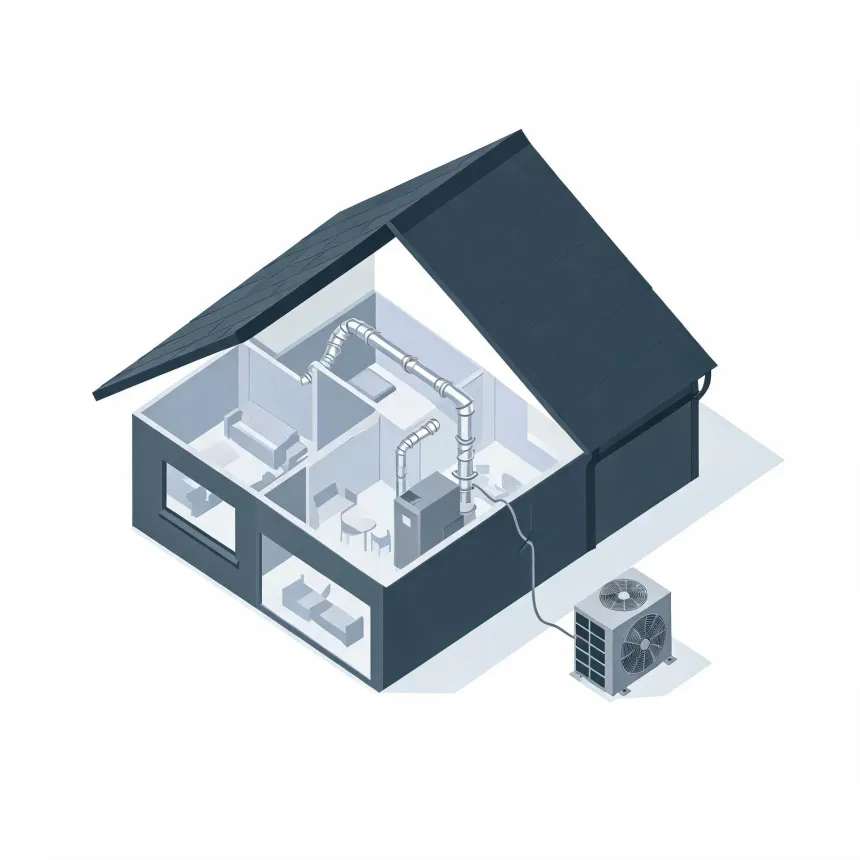
That kind of run time wears on the compressor and the reversing valve, the parts that switch the system between heating and cooling. Winter nights averaging 35°F mean the unit is also cycling through defrost more nights than not, which puts extra strain on the defrost control board. When one of these starts to go, you notice the system blowing air that is not warm enough, or not switching over the way it should.
- 6 months
- November through April, your system heats
- 5 months
- May through September, it cools
- 35°F
- the average winter night it heats against
- 96°F
- the average summer afternoon it cools against
NOAA nClimDiv, 1991–2020 normals
Arizona requires HVAC contractors to hold a state license.
The Registrar of Contractors tests the contractor before issuing that license, and keeps a record of the business behind it. That license covers the contractor, not this specific repair. It travels with them to whatever job they take on in the state.
A heat pump repair usually means opening the refrigerant side of the system, whether the problem is a low charge, a bad valve, or a failed compressor. Whoever does that part of the job needs EPA Section 608 certification, the same federal rule that applies everywhere in the country, on top of the Arizona license.
Sources: Arizona State Legislature · Arizona Registrar of Contractors
- Why is my heat pump blowing cold air?
- In summer that's normal, the heat pump is running in cooling mode and should feel cold. In winter it usually means the system is stuck in the wrong mode or the reversing valve isn't switching over. It can also mean the outdoor unit is icing up and can't pull in enough heat to warm the air. A contractor can check the reversing valve and the refrigerant charge to find out which it is.
- Why is there ice on my heat pump?
- A heat pump frosts over when airflow across the outdoor coil is blocked or the refrigerant charge is low. A dirty coil, a failed fan motor, or leaves and debris packed around the unit can all cut off airflow enough to cause icing. Your system should run a defrost cycle on its own every so often to clear this, so ice that keeps building back is a sign that cycle isn't working or something else is wrong. Turn off the system and let it thaw before a contractor looks at it, running it iced over can damage the compressor.
- Why is my heat pump running but not cooling?
- This usually means the refrigerant charge is low or the outdoor coil is too dirty to release heat, either way the system runs but can't move enough heat out of your home. With afternoons here reaching 96°F, a heat pump that's low on refrigerant will struggle most in the hottest part of the day. Check that the outdoor unit isn't blocked by debris or overgrown plants. If the coil looks clean and the unit still isn't cooling, a contractor will need to check the refrigerant charge and the compressor.