 Skip the calls
What to do when the heat goes out in Arizona
Answer a few questions instead of calling shop after shop.
A furnace that won't heat in January is not a problem that waits. Arizona nights get cold enough that a house with no heat gets uncomfortable fast, especially for anyone with kids or older family in the house.
Most homes here run on electric heat, so when it quits, the usual suspects are the ones specific to that kind of system: a tripped breaker, a bad heating element, a failed sequencer, a thermostat that's lost its signal to the unit. A contractor who works on these year after year in this area knows which of those tends to go first and what to check before anything gets taken apart.
That's the part that takes the time when you're on your own. Searching for someone who services electric furnaces, calling a few to ask if they even work on your system, explaining the same symptoms over and over, then sitting on quotes trying to figure out who's reasonable and who's just available. None of that gets you any closer to a warm house.
This page connects you with one licensed, local contractor who handles this equipment regularly, not a list of five companies competing for your callback. You explain the problem once, to the person who's actually going to come look at it.
From there, the diagnosis and the repair are the contractor's work to do, and what's actually wrong with your furnace will decide what that looks like. But the part where you're stuck figuring out who to call and whether they know what they're doing, that part ends here.
First, check your thermostat is set to heat and the temperature is set above room temperature. If that's fine, go check the breaker panel. Electric furnaces and heat pumps draw a lot of current, and a tripped breaker is one of the most common reasons heat stops cold. If the breaker's fine, listen for the system trying to start, a hum or a click, then nothing. That points to a failed component inside the unit, something like a defective relay or a dead blower motor, and that's a repair job, not something to troubleshoot further on your own. If you smell something burning or hear a repeated clicking, shut the system off at the breaker and leave it off. Most homes in Arizona heat with electricity, so a furnace that won't run usually means a part failed, not that it ran out of fuel. Either way, this isn't a wait-and-see problem once the house starts cooling down.


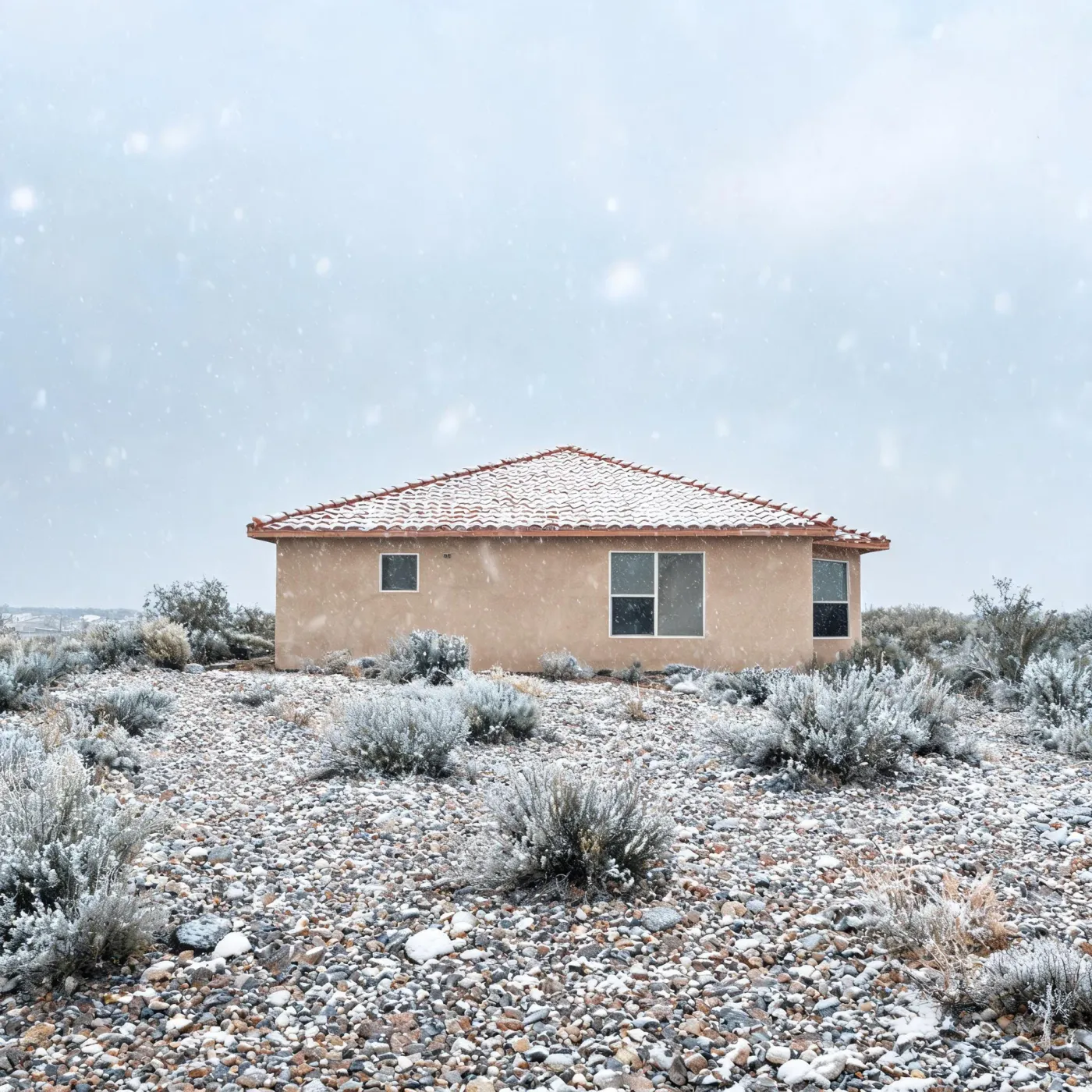
Winter nights average 39°F across Arizona, according to NOAA climate data. That's cold enough that a home with no heat overnight won't just feel chilly, it'll feel like the furnace never should have quit in the first place. When an electric furnace trips off or the heat strip stops drawing current, the house loses warmth fast once that number drops after sunset. You'll notice it first in back bedrooms or rooms farthest from the unit, where the air goes cold before the thermostat even catches up. That gap between what the thermostat reads and what the room feels like is usually the first sign something's not working right.
NOAA nClimDiv 1991-2020 county normals weighted by homes


Why does the house feel colder than the thermostat says?
Walk through the rooms and check. If the air coming from the vents feels room temperature or cooler, the furnace isn't actually heating, even if the fan runs and the thermostat display looks normal. Some rooms may feel colder than others depending on how far they sit from the furnace. You might hear the blower come on and run without any warmth behind it, or hear clicking at the furnace followed by nothing. A furnace that only blows cold air is often tripping out partway through its cycle. Left alone overnight in a house that drops toward the high 30s, that's hard on anyone with young kids, older family, or pets, and it can leave pipes in unheated parts of the house at risk too.

The furnace cut out a little after nine. You're in the hallway in socks, and the vent above the thermostat is pushing out air that feels no warmer than the room. Outside it's already down near the high 30s, the kind of Arizona night that catches people off guard because the days were warm enough to forget about. The dog won't leave the kitchen, where the oven was on earlier. You've got a stack of browser tabs open, three contractor sites, a half-filled quote form, and you still haven't called anyone, because you know the next hour is explaining the same thing three times to three different people before anyone even looks at the unit.
Skip calling around
You've checked the thermostat and the breaker, and the furnace still isn't putting out warm air. At that point it's an electrical or a mechanical fault inside the unit, and that's not something to keep testing in the dark on a cold night. Finding someone who works on electric furnaces means calling around, explaining what you already checked to each one, then sitting with a stack of quotes you have no way to judge against each other. The contractor who gets your request is local to Arizona and licensed, and works on this equipment every winter, so they've seen this particular failure plenty of times before. Only one contractor gets your information, not five, so you're not fielding calls all afternoon from companies competing for the job. You still have a cold house tonight. Handing the diagnosis to someone who already knows what usually fails is how it stops being cold.




An electric furnace doesn't fire all at once. The thermostat calls for heat, and a sequencer brings the heating elements on one at a time, a few seconds apart, so the system doesn't pull too much current all at once. The blower is a separate circuit from the elements, which is why air can be moving through the vents while none of it is actually getting heated. If the sequencer fails partway, you can end up with some elements energized and others not, which feels like lukewarm air rather than a dead system. Airflow matters too. There's a limit switch watching the temperature inside the furnace, and if a dirty filter or blocked vent restricts airflow, it will shut the elements down to keep the furnace from overheating, even though the blower keeps running. If you have a heat pump instead, it's drawing warmth from outside air through a reversing valve, and when that valve sticks, the system can stay locked in cooling mode no matter what the thermostat is set to.
How electric heat actually works
- Most Arizona homes heat with electric resistance elements or a heat pump, and both rely on a sequencer or control board to bring heat on in stages.
- The blower motor and the heating element are controlled separately, so a furnace can run air without ever actually warming it.
- A failed sequencer keeps the elements from energizing even though the thermostat is calling for heat and the fan is spinning.
- Heat pumps pull warmth from outside air, and a bad reversing valve can leave the system stuck in cooling mode even in winter.
- A limit switch will shut off the heating element if airflow is restricted, which is why a dirty filter can mimic a dead furnace.
- Electric furnaces draw heavy current through multiple elements, so a single failed element often means lukewarm air instead of no air at all.


Winter nights average 39°F statewide
39°F is low enough that a house losing heat for a few hours overnight gets genuinely cold, not just chilly. If your furnace quits after dark, that's the number working against you until it's fixed.
NOAA nClimDiv 1991-2020 county normals weighted by homes

If the air isn't warm, the furnace needs a repair
A thermostat set right, a breaker that's not tripped, and air that still comes out cold means the fault is inside the unit. That's the whole answer. The sequencer, the heating element, the control board, something in there isn't doing its job, and the blower running on its own won't change that. On a night near 39°F, that's not something to leave until morning.
Finding someone qualified to look at an electric furnace or heat pump usually means calling around, explaining the same thing to two or three companies, and waiting to see who calls back first. You've already walked through what's wrong. Hand that off once, to a licensed contractor local to Arizona who works on this equipment all winter and knows which part usually fails when a furnace runs but won't heat.


Describe it once
Your request stays with one local pro.