
HVAC Installation in Sierra Vista, AZ
A new system here will heat from November through April and cool from May through September every year. Tell us about the house, and a licensed contractor who covers Cochise County will get in touch.
Tell us about the job
It takes about a minute.

Eleven months of the year, one system or the other is running
Sierra Vista only gets a break from heating or cooling for about a month out of the year. Winter nights average 32°F from December through February, and summer afternoons run 92°F, so whatever you install has to handle both ends without much rest in between.
Half the homes here heat with gas, and a new furnace or heat pump has to meet the federal minimum efficiency rating in place at installation. Cochise County has also seen 42 winter storms and 104 damaging wind events over the past ten years, and 7% of Arizona households lost power for at least a day in 2024. A new system, and how it is installed, should hold up to that.
- 6 months
- November through April, your system heats
- 5 months
- May through September, it cools
- 32°F
- the average winter night it heats against
- 92°F
- the average summer afternoon it cools against
NOAA nClimDiv, 1991–2020 normals
Arizona requires HVAC contractors to hold a state license.
Arizona licenses HVAC contractors through the Registrar of Contractors. The license belongs to the contractor, not to any single job, and the state tests a contractor before granting one and keeps a record of who holds it.
For an installation like this, that license is what stands behind the person doing the work. In most cities and counties, replacing a heating and cooling system also needs a permit from the local building office, along with an inspection once the work is done. The permit and inspection check the installation itself. The license checks the contractor doing it.
Sources: Arizona State Legislature · Arizona Registrar of Contractors
- When should I replace my HVAC system?
- Replace your system when repairs start happening every year or when the unit is old enough that a breakdown could leave you without heat or cooling for days. That matters here since homes need heat or cooling 11 months out of the year, from November through April for heat and May through September for cooling. If your furnace or air conditioner is limping through each season with patched-up fixes, a planned replacement beats an emergency one. A contractor can look at the age and condition of your system and tell you where it stands.
- Should I replace my furnace and air conditioner at the same time?
- If both are getting old, replacing them together often makes sense, but it depends on the condition of each unit. A furnace and air conditioner installed at different times can still work fine on their own schedules. What matters most is whether the two share a coil or air handler, since that connection can limit your options when only one half fails. A contractor can check what you have and tell you whether pairing the replacement makes sense for your setup.
- What happens during an HVAC installation?
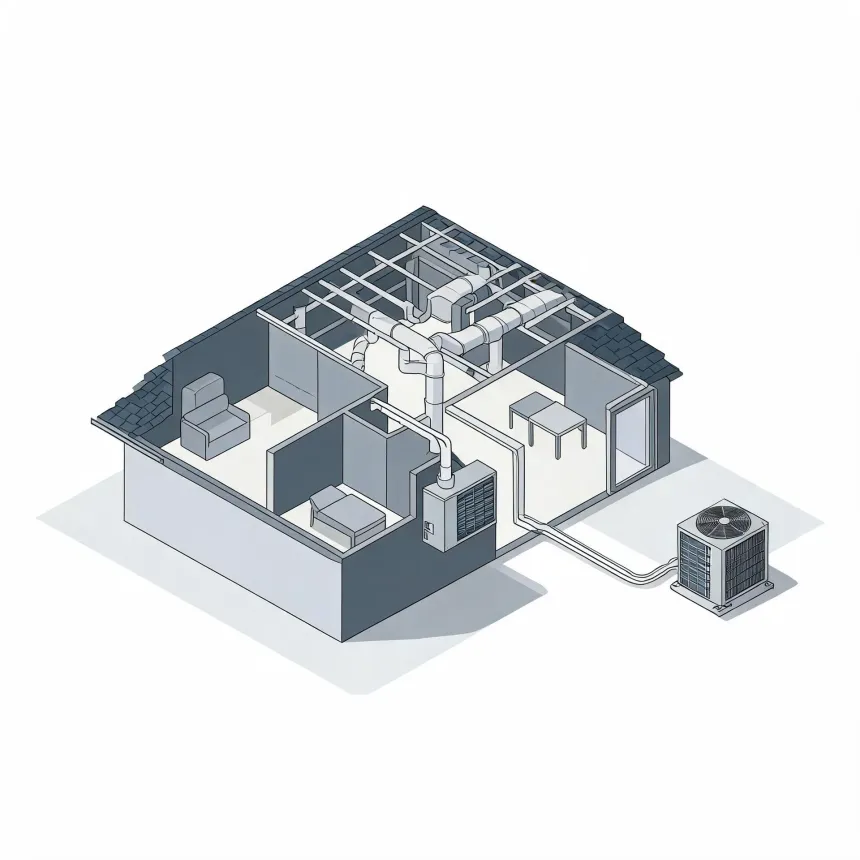
- A contractor removes the old equipment, sets the new furnace or air conditioner in place, and connects it to your ductwork, gas line or electrical circuit, and the vent or drain lines it needs. They will check the ducts for leaks or damage, since new equipment moving air through bad ductwork will not perform the way it should. Once everything is connected, they test the system, check the airflow, and confirm it is running the way it is supposed to before they consider the job finished.