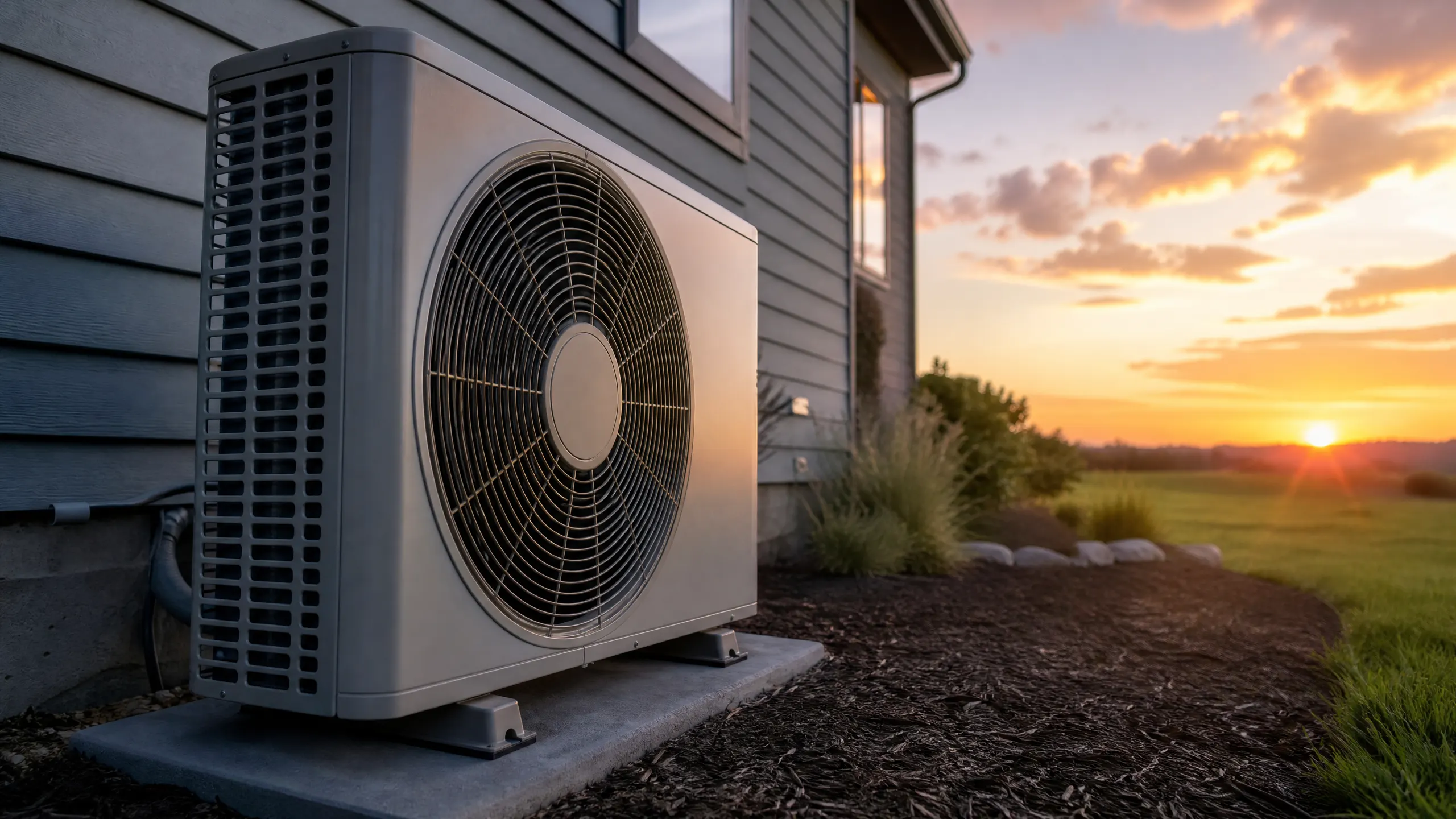
Heat Pump Repair in Safford, AZ
Homes here need heat from November through April and cooling from May through September. If your system quits, tell us what it's doing and a licensed contractor who covers Graham County will get in touch.
Tell us about the job
It takes about a minute.
Your heat pump runs almost all year here
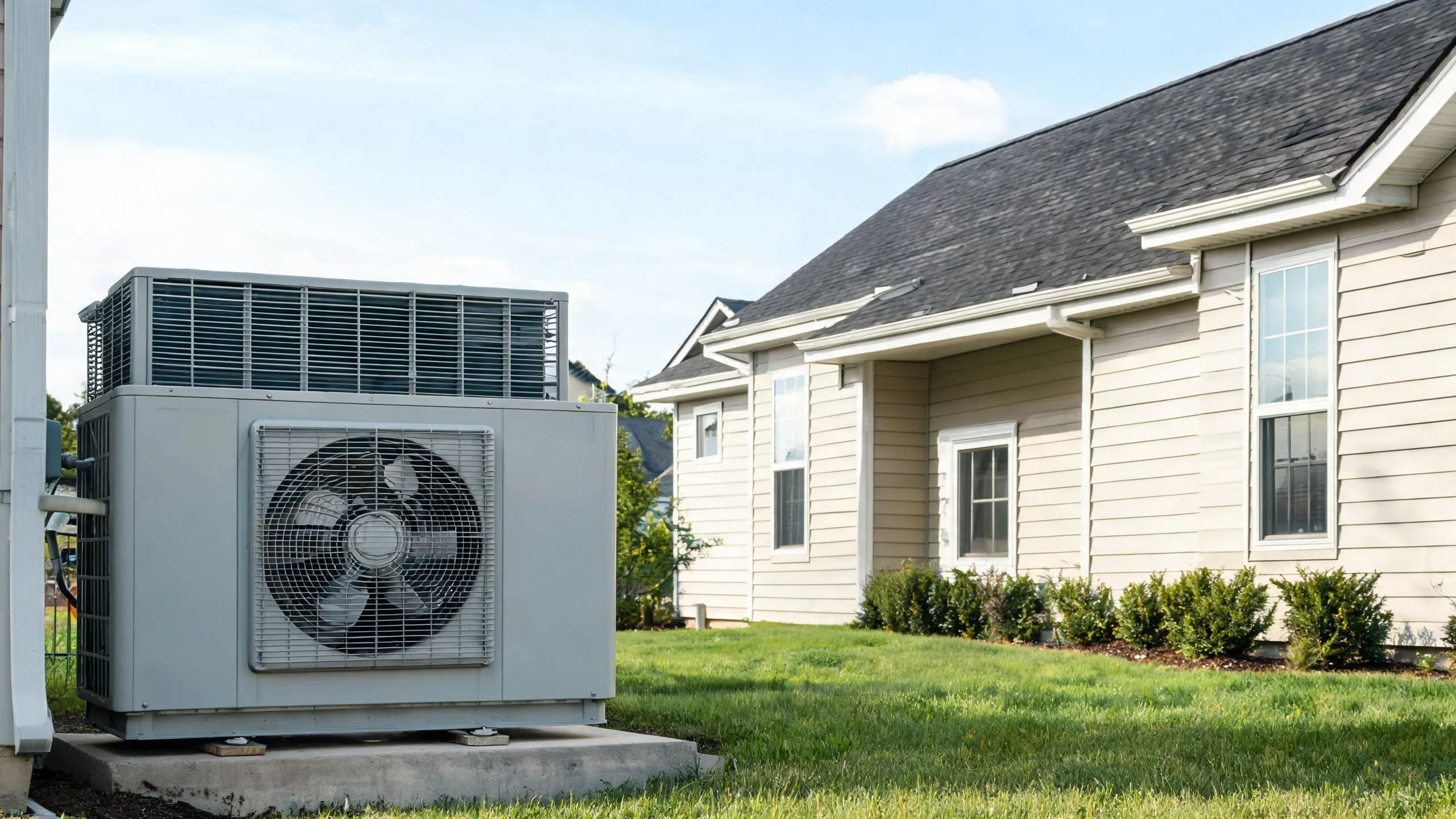
In Safford your heat pump works 11 months out of the year, heating from November through April and cooling from May through September. It rarely gets a real break.
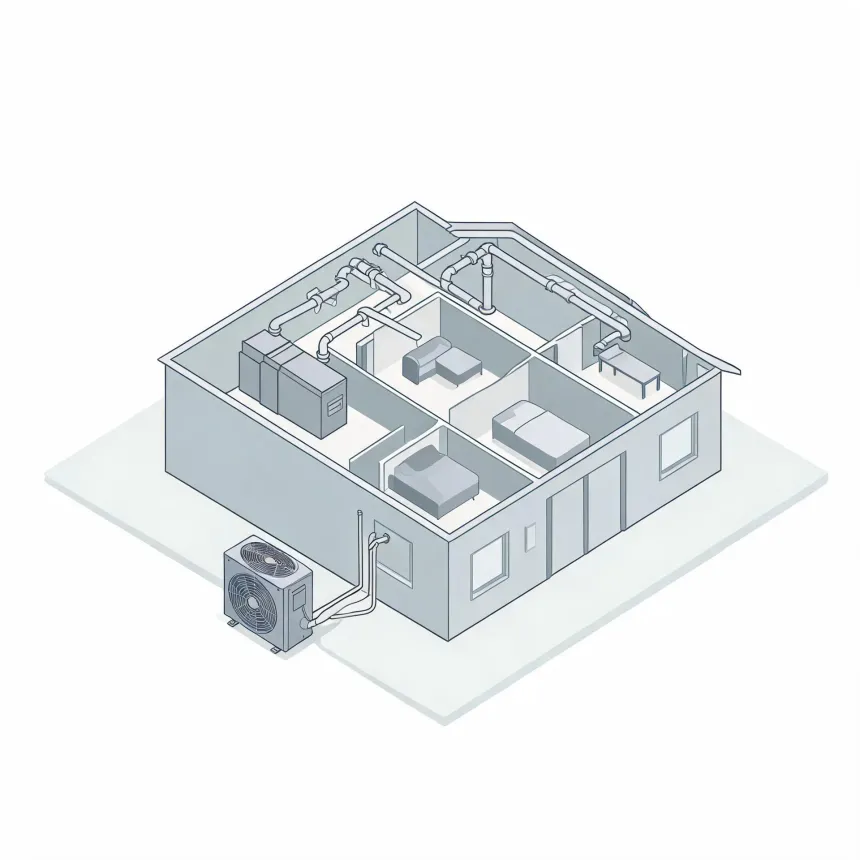
Summer afternoons averaging 93°F push the outdoor unit hard for five straight months. Winter nights averaging 33°F keep it switching into defrost and back to heating through the cold months too. That kind of steady cycling wears on the compressor and the reversing valve, the part that switches the system between heating and cooling. When the reversing valve sticks, the system blows the wrong temperature air or won't switch modes at all.
- 6 months
- November through April, your system heats
- 5 months
- May through September, it cools
- 33°F
- the average winter night it heats against
- 93°F
- the average summer afternoon it cools against
NOAA nClimDiv, 1991–2020 normals
Arizona requires HVAC contractors to hold a state license.
The Registrar of Contractors tests and licenses the contractor, not the individual job. The license belongs to the business doing the work, not to any single repair, so it is the contractor that gets tested and put on record, not this particular heat pump.
Repairing a heat pump usually means opening the refrigerant side of the system, and that takes EPA Section 608 certification on top of the state license. That certification is federal, required of any technician handling refrigerant in any state, not something Arizona adds for this job.
Sources: Arizona State Legislature · Arizona Registrar of Contractors
- Why is my heat pump blowing cold air?
- In defrost mode, a heat pump runs the outdoor fan while it clears frost off the coil, and cool air comes out of the vents for a few minutes at a time. That's normal on a cold night. If cool air keeps coming and never turns warm, the reversing valve may be stuck in cooling mode, or the unit could be low on refrigerant. A contractor can check the valve and the charge and tell you which it is.
- Why is there ice on my heat pump?
- Some frost on the outdoor unit in winter is normal, and the system should melt it off on its own during a defrost cycle every so often. If ice keeps building up and doesn't clear, airflow across the coil is likely blocked, either by a dirty filter, a coil that needs cleaning, or a fan that isn't running right. Ice can also mean the refrigerant charge is off. Don't chip at the ice yourself. Have a contractor look at the coil, the fan, and the charge.
- Why is my heat pump running but not cooling?
- If the outdoor unit is running but the air coming out inside isn't cold, check the filter first, since a clogged one chokes off airflow across the coil. If the filter is clean, the coil itself may be dirty or frozen, or the system may be low on refrigerant. A thermostat set wrong or a compressor that isn't cycling right can also cause this. A contractor can check airflow, the coil, and the refrigerant charge to find which one it is.