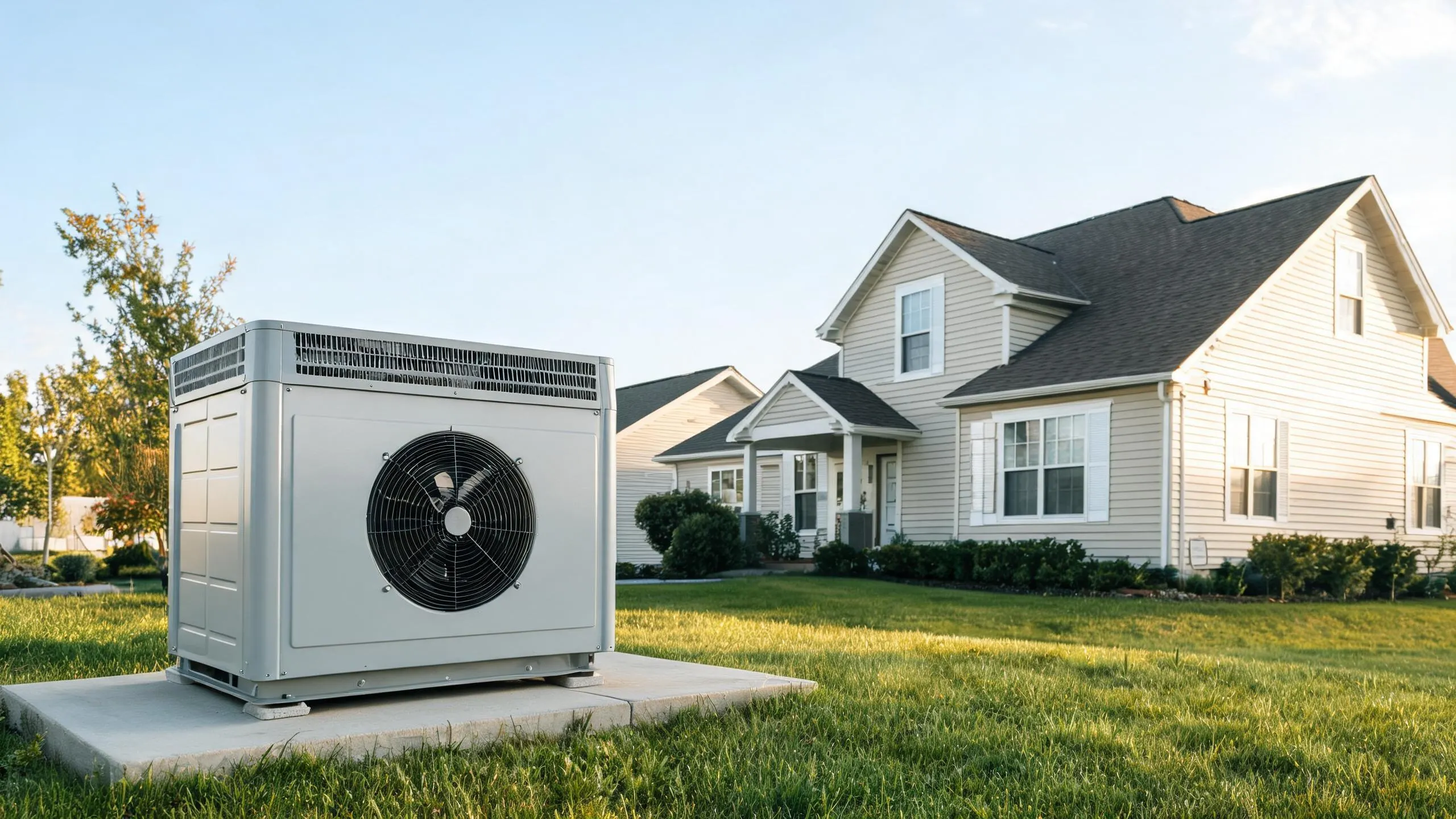
Heat Pump Installation in Nogales, AZ
A new system here will heat from November through April and cool from May through September every year. Tell us about the house, and a licensed contractor who covers Santa Cruz County will get in touch.
Tell us about the job
It takes about a minute.
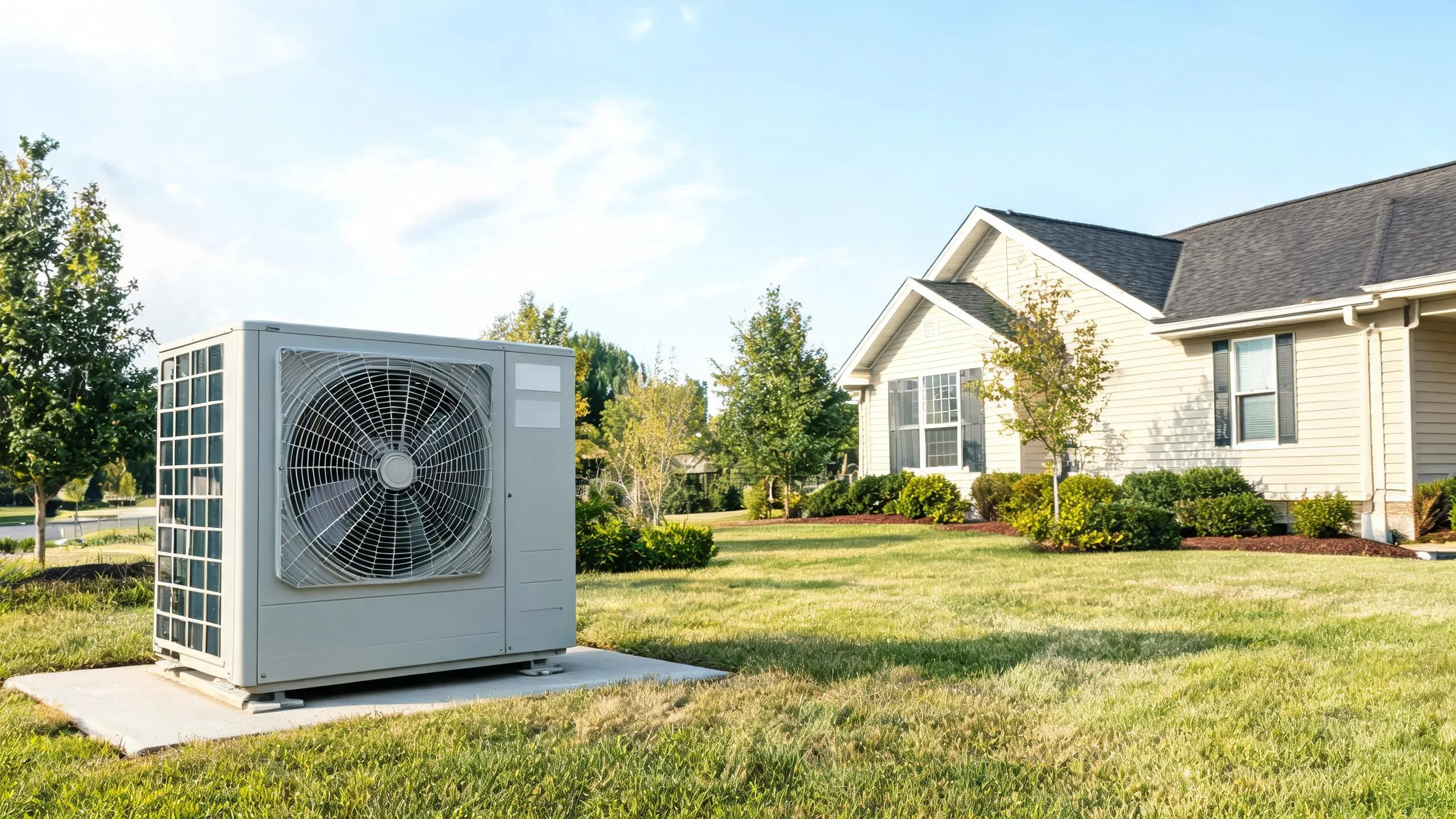
Nogales asks a heat pump to work almost year round
Winter nights here average 33°F from December through February. Summer afternoons average 90°F. Homes need heat from November through April and cooling from May through September, which leaves 11 months of the year when a heat pump is doing one job or the other. There is barely a month when it gets to rest.
A new split-system heat pump has to meet federal minimums of 14.3 SEER2 for cooling and 7.5 HSPF2 for heating. In a place that runs this long on both ends, those numbers matter for most of the year, not just a season.
- 6 months
- November through April, your system heats
- 5 months
- May through September, it cools
- 33°F
- the average winter night it heats against
- 90°F
- the average summer afternoon it cools against
NOAA nClimDiv, 1991–2020 normals
Arizona requires HVAC contractors to hold a state license.
The Registrar of Contractors tests and licenses HVAC contractors in this state. That license belongs to the contractor, not to any single job, so it stays on record whether the work is a repair call or a full installation like this one.
For a heat pump installation, the license is what stands behind the work itself. Separately, most cities and counties require a permit for this kind of job, along with an inspection once it's finished, and that inspection is what checks the work was done right, apart from whatever the license already says about the contractor.
Sources: Arizona State Legislature · Arizona Registrar of Contractors
- Is a heat pump better than a furnace?
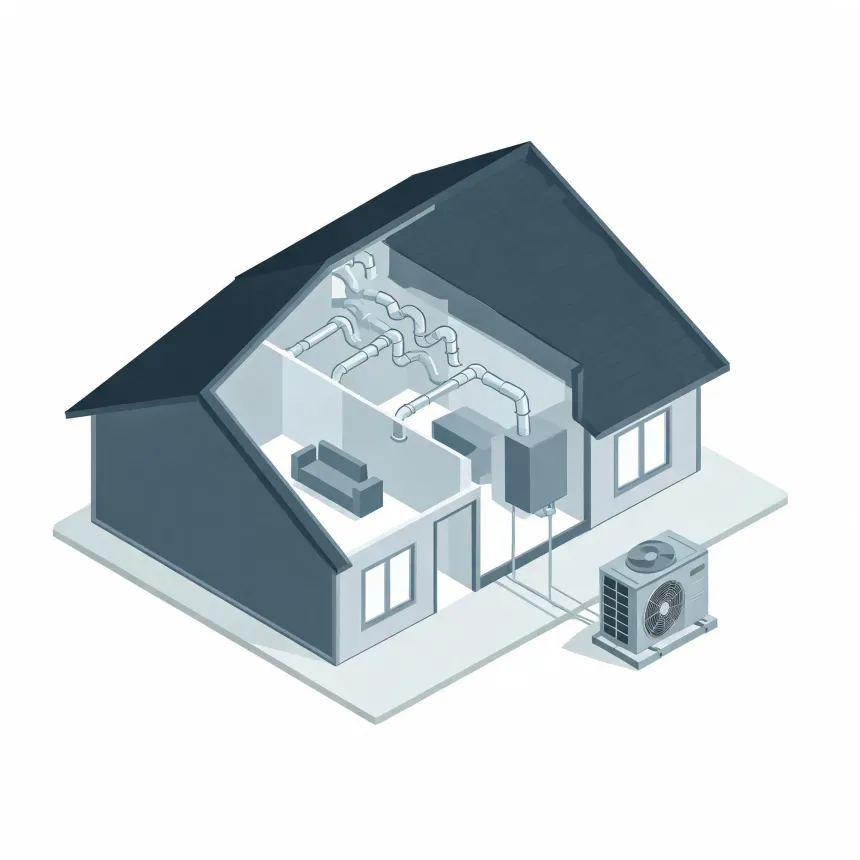
- A heat pump does both jobs a furnace can't, since it heats in winter and cools in summer using the same equipment. Winter nights here average 33°F, well within the range a heat pump handles without trouble. A furnace only heats, so you'd still need a separate air conditioner for the 5 months a year homes here need cooling. Whether one suits your house better than the other depends on your ductwork and how the house is set up, and a contractor can look at that.
- What's the difference between a heat pump and an air conditioner?
- An air conditioner only moves heat out of your house. A heat pump does that same job in summer, then reverses itself in winter and moves heat into the house instead. The parts inside are largely the same, the difference is the reversing valve that lets a heat pump run backward. That's why a heat pump can replace both a furnace and an air conditioner, while an air conditioner only replaces the second one.
- Does a heat pump work in cold weather?
- Yes, a heat pump pulls heat from outside air even when it's cold, down well below freezing. Winter nights here average 33°F, which is mild enough that a heat pump keeps up without needing backup heat. Newer heat pumps have to meet a federal minimum of 7.5 HSPF2 for heating efficiency, so any current model is built for this kind of climate. Older units can lose efficiency in the coldest weather, but that's not the range homes here deal with most winters.