
Dryer Vent Cleaning in Flagstaff, AZ
Tell us about your home, and a licensed contractor who covers Coconino County will get in touch.
Tell us about the job
It takes about a minute.
Step 1 of 3: Equipment

Cold nights turn dryer lint into a wall inside your vent
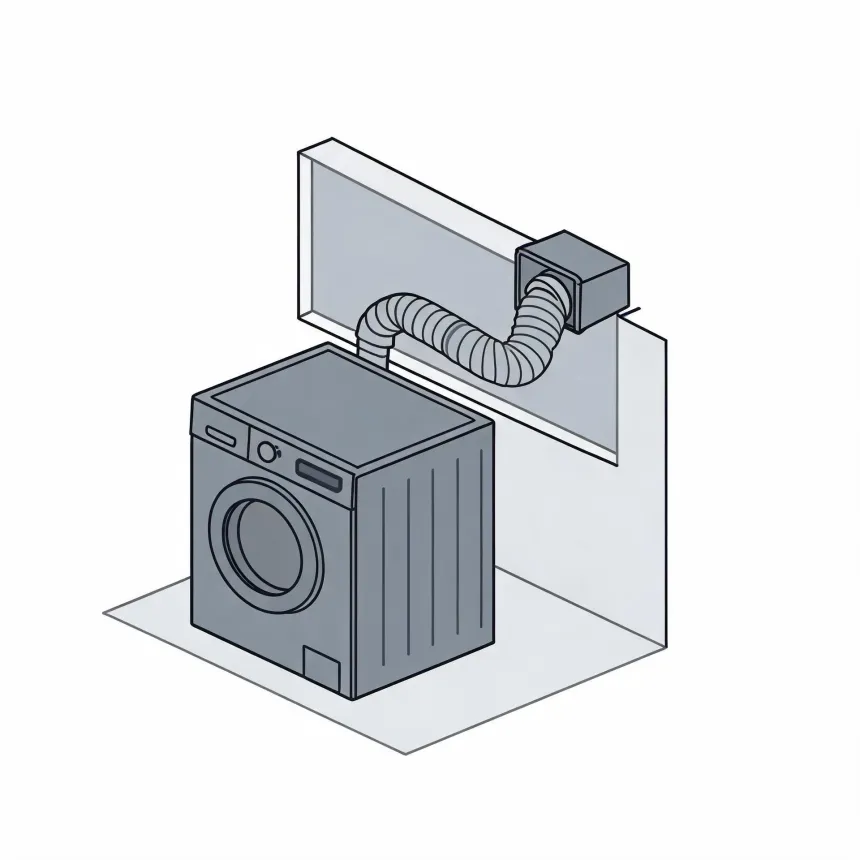
Your dryer pushes out warm, damp air every time it runs. That air travels through a vent that sits close to the outside cold, and on a Flagstaff winter night the metal it runs through can sit near 23°F. The warm air cools fast once it hits that cold metal, and the moisture in it turns the lint sticky instead of letting it blow straight through. Wet lint clings to the inside wall of the vent instead of making it outside.
Layer by layer, the vent narrows. Airflow drops, a load takes longer to dry, and the motor and heating element work harder to push air through a smaller opening.
- 23°F
- the average winter night, and cold vents catch damp lint
- 8 months
- October through May, the vent stays cold
Jan
Feb
Mar
Apr
May
Jun
Jul
Aug
Sep
Oct
Nov
Dec
NOAA nClimDiv, 1991–2020 normals
- How often should a dryer vent be cleaned?
- Once a year is the standard rule for most households. That keeps lint from building up to the point where it slows the dryer down or becomes a fire risk. A contractor can look at the actual vent and tell you if your household's use calls for cleaning it more often than that.
- Can I clean my dryer vent myself?
- You can clean the lint trap and the first few feet of duct behind the dryer yourself, and that part is worth doing often. But the full run, especially anywhere it bends or passes through a wall or roof, needs a brush and vacuum setup built to reach the whole length. A vent that looks clear near the dryer can still be packed with lint further down, so if drying times have gotten longer, have the full vent checked rather than assuming a quick wipe fixed it.
- What are the signs of a clogged dryer vent?
- Clothes that take more than one cycle to dry, a dryer that runs hot to the touch, and a burnt smell during the cycle are the clearest signs. You may also notice little to no lint in the trap even after a full load, which means it's collecting in the vent instead. If the vent hood outside barely flaps or shows lint clinging around it while the dryer runs, that's another sign air isn't moving through freely.