
HVAC Repair in Parker, AZ
Homes here need heat from November through February and cooling from April through October. If your system quits, tell us what it's doing and a licensed contractor who covers La Paz County will get in touch.
Tell us about the job
It takes about a minute.
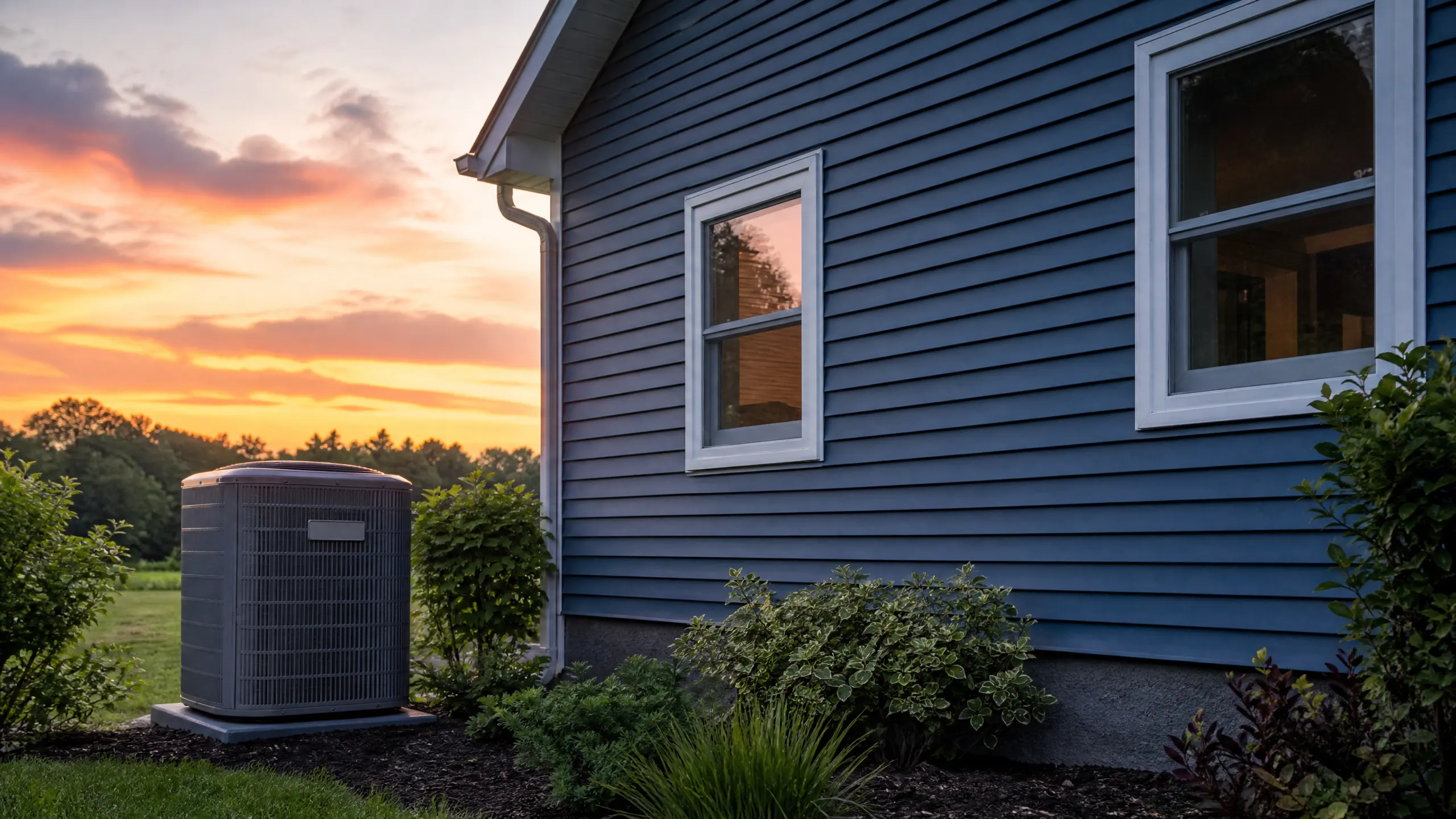
Parker asks a lot of your system, in both directions
Eleven months a year, your furnace or your air conditioner is doing something. Summer afternoons here average 105°F, and the compressor runs long hours to keep up. That kind of heat load wears on the parts that move heat out of the house, and a system that can't keep pace shows it fast, warm air from the vents, a unit that runs and runs without the house cooling down.
Winter is short here, November through February, but nights still average 42°F, cold enough that the furnace has to cycle on through the night for months at a time. Most homes in this area heat with electricity, so the furnace depends on the power staying on. Parker has seen 32 damaging wind events over the past ten years, and a storm that knocks out power takes the heat or the cooling with it until it comes back.
- 4 months
- November through February, your system heats
- 7 months
- April through October, it cools
- 42°F
- the average winter night it heats against
- 105°F
- the average summer afternoon it cools against
NOAA nClimDiv, 1991–2020 normals
Arizona requires HVAC contractors to hold a state license.
Arizona tests HVAC contractors before they can hold a license, and the Registrar of Contractors keeps a record of who holds one. That record is tied to the contractor, not to the specific repair on your furnace or your AC. The license tells you this person or business met the state's bar to do this kind of work, in any home, on any job.
For a repair like yours, that license is the thing standing behind the work. Arizona put the contractor through its test and keeps their record on file, and that is what backs the person working on your system.
Sources: Arizona State Legislature · Arizona Registrar of Contractors
- Why is my heat not working?
- Most no-heat calls come down to the thermostat, the power supply, or the igniter. Check that the thermostat is set to heat and the temperature is above room level, since a setting bumped by accident is an easy miss. If the thermostat looks right, check the breaker, since a tripped breaker will shut the whole system down. With most homes here heating with electricity, a breaker issue or a bad heating element can leave you with no heat at all rather than just weak heat. If power and settings check out and you still have no heat, the igniter or a safety switch has likely failed, and that calls for a licensed contractor to diagnose.
- Why is my system running but not cooling the house?
- If the system runs but the air is not cold, the most common causes are a dirty filter, low refrigerant, or a frozen coil. A clogged filter cuts off airflow across the coil, and when that happens the coil can ice over and stop cooling even though the fan keeps blowing. Check the filter first since it is the one thing you can rule out yourself. With afternoons here reaching 105 degrees, a system that is not cooling well can fall behind fast, so if the filter is clean, have a contractor check refrigerant levels and the coil before the heat builds up further inside.
- What can I check before calling for HVAC repair?
- Check the thermostat settings, the circuit breaker, and the air filter before calling anyone. Make sure the thermostat is set to the right mode and temperature, since this gets overlooked more often than people expect. Check the breaker panel for anything tripped, and check the filter for dirt or blockage, since a clogged filter can cause problems that look like bigger issues. If those are all fine and the system still is not heating or cooling right, it is a job for a licensed contractor. Arizona requires HVAC contractors to hold a state license through the Registrar of Contractors, so confirm that before letting anyone work on the system.